

Solar 101
All About Solar Energy
All About Solar Energy

Clean Renewabale Energy: The Sun
You’ve likely noticed solar panels on homes or commercial buildings, but ever wondered exactly how they work? Solar technology captures energy from our brightest star and turns it into electricity that can power your fridge, phone chargers, and more—cleanly and affordably.
Solar Energy: Our Passion
Simply put, solar energy is power derived from sunlight. It takes about nine minutes for the sun’s rays to reach Earth, carrying enough energy to sustain life and potentially power every building on the planet. By installing solar panels, converters, and optional backup batteries, we can harness those rays and transform them into usable power—with zero pollution.
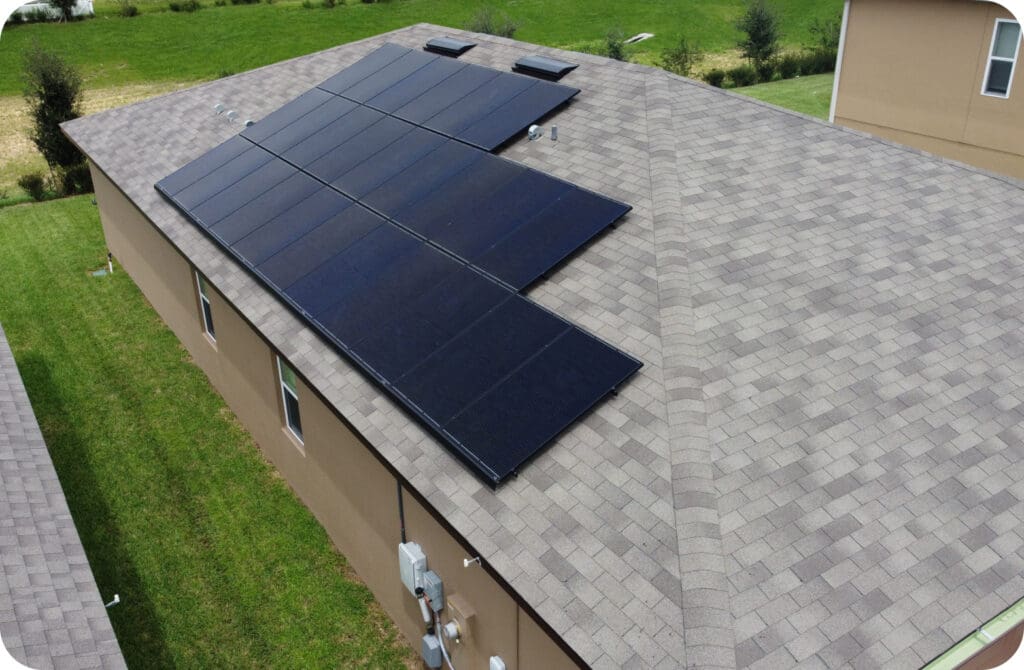
The Anatomy of a Solar Energy System
Solar energy relies on the photovoltaic process—light particles (photons) hit the solar panel’s silicon cells, knocking electrons free. This generates a direct current (DC) of electricity, which metal conducting plates capture and send to the inverter. The inverter converts DC to AC, and voilà: your home or business runs on clean, renewable power.
Solar Panels
Solar Panels
This is where the magic happens. Sunlight hits photovoltaic cells—usually silicon—which knock electrons loose to create an electric current. High-quality materials like UV-resistant plastics and rust-free aluminum ensure these panels last for decades.
Inverter
Inverter
Once the panels generate electricity, the inverter converts it into alternating current (AC), which powers most appliances in the U.S. It then sends this usable energy to your home’s electrical panel.
Tesla Powerwall
Tesla Powerwall
Excess electricity generated during the day goes straight into your Powerwall for storage. At night or during bad weather, you draw on this stored energy instead of the grid—making you fully energy-independent.
How Solar Compares to Fossil Fuels
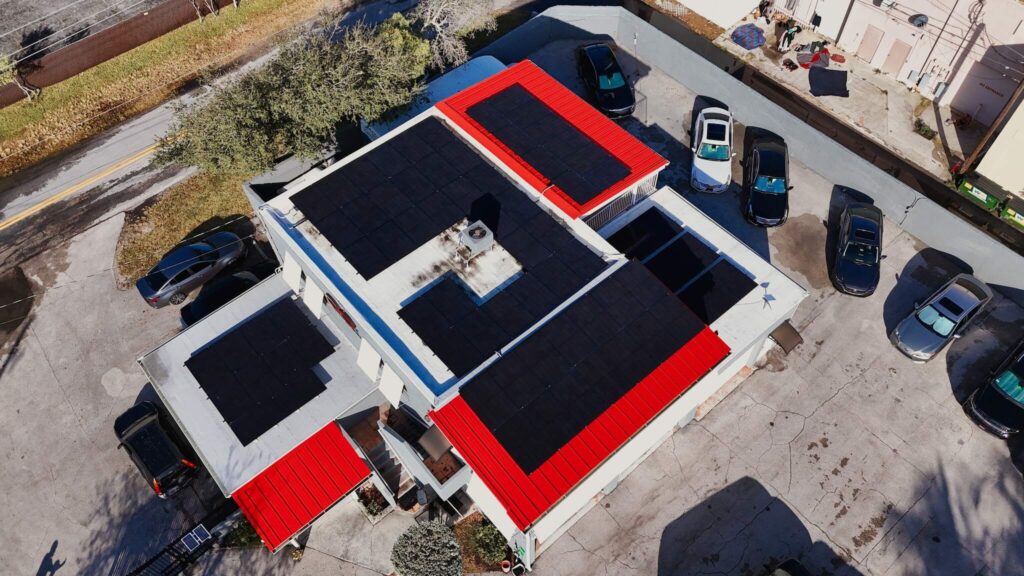
Solar energy significantly outperforms fossil fuels across multiple criteria—from cost-effectiveness to environmental impact. While fossil fuels rely on finite resources and emit harmful gases, solar taps into the boundless power of the sun to provide clean, renewable electricity. This not only safeguards our planet but also offers long-term financial benefits.
No Greenhouse Gases
Solar power produces zero CO₂ emissions, unlike fossil fuels, which emit substantial CO₂ and contribute to climate change.
Price
According to EnergySage, solar can cost as low as $0.029 per kWh, while fossil fuels can be around $0.37 per kWh. Over time, those savings add up significantly.
Cleanliness
Solar energy leaves no trace in air, water, or soil—and it runs quietly. Fossil fuel extraction, on the other hand, often leads to pollution and habitat destruction.
No Harm to Ecosystems
Coal mining and oil drilling can devastate natural habitats. Solar simply taps into the sun’s rays, sparing wildlife and ecosystems from damage.
Ready to get started?
Fill out the form below, and one of our specialists will be in touch shortly to help you make the switch to clean, efficient energy.