

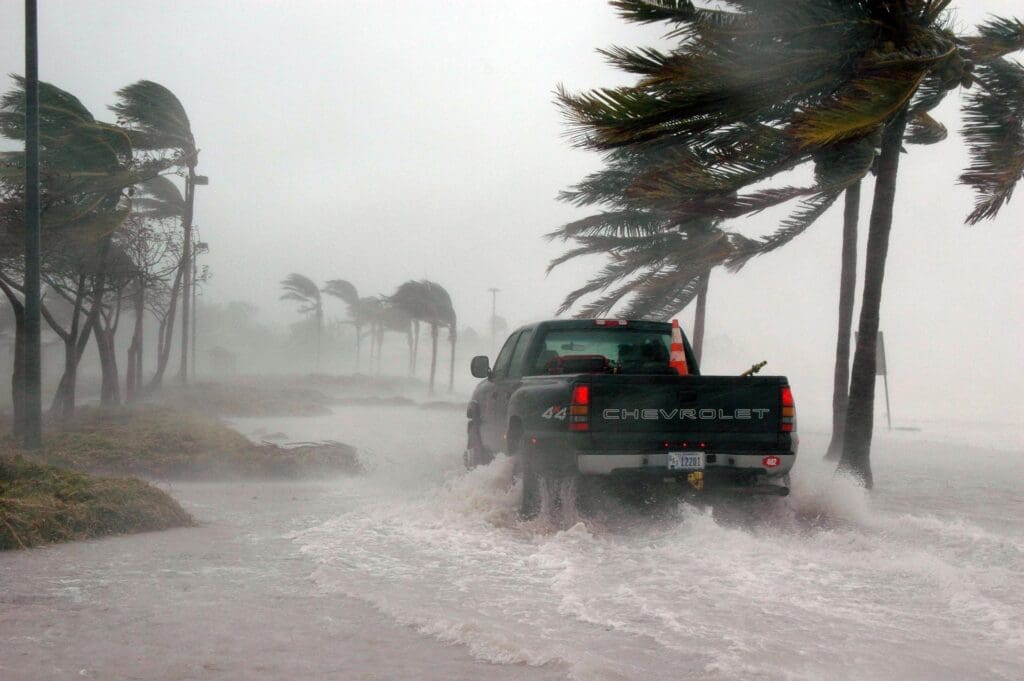
In recent years, the world has witnessed an alarming rise in the frequency and intensity of natural disasters. From hurricanes battering coastlines to wildfires consuming vast swaths of land, these events are becoming increasingly common and devastating. Natural disasters often lead to widespread power outages, leaving millions without electricity when they need it most. In the United States alone, severe weather is responsible for more than 80% of all major power outages, disrupting daily life and critical services during emergencies.
Power outages amplify the challenges faced during disasters by cutting off access to essential services and communication channels. Without electricity, families may find themselves isolated, unable to receive emergency alerts or contact loved ones. Vital home systems like heating, cooling, refrigeration, and medical devices cease to function, posing significant risks to health and safety. The loss of power can turn a difficult situation into a life-threatening one, underscoring the importance of preparedness.
Emergency readiness is no longer just about having extra supplies of food and water; it requires a comprehensive approach that includes reliable backup power solutions. Incorporating backup power into your emergency plan is a vital step toward ensuring your family’s safety and connectivity during natural disasters. This article explores the critical role of backup power systems in emergency preparedness and provides practical tips on how they can keep families safe and connected when facing hurricanes, earthquakes, and other emergencies.
Understanding the Impact of Natural Disasters on Power Infrastructure
Natural disasters come in various forms, each posing significant threats to communities and their essential services. Hurricanes bring powerful winds and heavy rainfall, leading to flooding and structural damage along coastlines and inland areas. Earthquakes cause sudden and violent shaking of the ground, resulting in collapsed buildings and ruptured underground utilities. Floods inundated regions with water, damaging homes, roads, and critical infrastructure. Wildfires spread rapidly, consuming forests and residential areas, often exacerbated by dry conditions and high winds. Severe storms, including tornadoes and blizzards, can occur with little warning, leaving destruction in their wake.
The power grid is particularly vulnerable during these events. Electrical infrastructure—such as power lines, substations, and transformers—is susceptible to damage from high winds, flying debris, flooding, and fire. For example, hurricanes can topple transmission towers and snap power lines, while floods can submerge electrical equipment, causing short circuits and long-term damage. Wildfires can destroy above-ground power lines and damage substations, leading to widespread outages.
Recent history has shown how natural disasters can lead to prolonged power outages. In 2017, Hurricane Maria devastated Puerto Rico’s electrical grid, leaving the entire island without power. It took several months to restore electricity to all residents, highlighting the fragility of power infrastructure in the face of extreme weather. Similarly, in February 2021, a severe winter storm in Texas led to massive power failures, leaving millions without electricity, heat, or water for days amid freezing temperatures. These events underscore how natural disasters can cripple power systems, affecting large populations over extended periods.
The consequences of power loss during natural disasters are far-reaching:
- Communication Disruptions: Without electricity, cell towers and internet services fail, cutting off vital lines of communication. This hampers the ability of emergency services to coordinate rescue efforts and for individuals to receive critical updates or call for help.
- Healthcare Challenges: Hospitals and clinics rely on power to operate life-saving equipment. Power outages can jeopardize patient care, especially for those dependent on home medical devices like ventilators or dialysis machines. In emergencies, this can lead to life-threatening situations.
- Daily Living Difficulties: The absence of power affects heating and cooling systems, refrigeration, and water supply. Food can spoil without refrigeration, and water purification systems may fail, leading to shortages of safe drinking water. Heating systems become inoperative during cold weather, increasing the risk of hypothermia.
- Community Safety Risks: Power outages can disable traffic signals, increasing the likelihood of accidents. Streetlights go dark, potentially leading to an increase in crime or accidents during nighttime hours. Emergency shelters may lack sufficient power to accommodate displaced individuals adequately.
- Economic Impacts: Businesses may be forced to close, leading to economic losses and unemployment. The interruption of services can have a cascading effect on the local economy, slowing down recovery efforts post-disaster.
These cascading effects hinder community safety and slow down recovery efforts. The inability to communicate, access healthcare, and meet basic needs can turn a natural disaster into a prolonged humanitarian crisis. Understanding these risks highlights the critical importance of incorporating reliable backup power solutions into emergency preparedness plans. By doing so, families and communities can maintain essential functions, stay connected, and facilitate a quicker recovery in the aftermath of natural disasters.
The Critical Role of Staying Connected
Staying connected during a natural disaster is not merely a convenience—it’s a crucial aspect of survival and safety. Communication needs become paramount when facing emergencies like hurricanes, earthquakes, and severe storms. Reliable power ensures that phones, radios, and internet devices remain operational, allowing families to stay in touch with loved ones and coordinate plans. Access to real-time updates from authorities provides critical information on weather conditions, evacuation orders, and safety instructions. Without electricity, these essential communication channels can be severed, leaving individuals isolated and uninformed at the most critical times.
Beyond communication, many essential services depend on power to function properly. Medical devices such as ventilators, oxygen concentrators, and dialysis machines require a continuous power supply. For individuals relying on these devices, a power outage isn’t just inconvenient—it can be life-threatening. Additionally, certain medications, like insulin, need refrigeration to remain effective. Losing power can compromise the storage of these medications, posing serious health risks.
Electricity also plays a vital role in the preservation of food and water supplies. Refrigerators and freezers keep food safe to consume by slowing the growth of bacteria. In the aftermath of a disaster, when resources are scarce, maintaining a stockpile of safe food is essential. Water purification systems often rely on electricity to provide clean drinking water, which is critical when municipal supplies are disrupted or contaminated.
Moreover, the presence of power contributes significantly to psychological comfort during crises. Lighting provides a sense of normalcy and security in the midst of chaos, helping to alleviate fear and anxiety—especially among children. Functioning appliances, like heaters or air conditioners, ensure a comfortable indoor environment, which can be a refuge from extreme weather conditions outside. Even simple things like charging a phone or watching the news can offer reassurance and help maintain morale during stressful times.
In essence, staying connected through reliable backup power is a cornerstone of effective emergency preparedness. It enables communication with the outside world, supports essential medical needs, preserves vital resources, and provides comfort during uncertain times. By ensuring that these critical functions remain uninterrupted, backup power solutions empower families to navigate natural disasters with greater safety and peace of mind.

Overview of Backup Power Solutions
Choosing the right backup power solution is a critical step in emergency preparedness. Various options are available, each with its own set of advantages and disadvantages. Understanding these can help you select the most suitable system to keep your family safe and connected during a natural disaster.
Traditional Generators
Traditional generators are one of the most common backup power options and come in two primary types: portable and standby.
- Portable Generators: These are movable units that you can transport to different locations as needed. They’re typically fueled by gasoline or diesel and are ideal for powering a few essential appliances or tools during short-term outages.
- Standby Generators: Installed permanently outside your home, standby generators are connected directly to your electrical system. They can automatically detect a power outage and start supplying electricity to your entire house or selected circuits without any manual intervention.
Advantages of Traditional Generators
- Immediate Power Supply: Generators can provide power almost instantly after an outage begins, especially standby models with automatic transfer switches.
- High Power Output Capacity: They can handle significant electrical loads, making it possible to run multiple appliances, heating and cooling systems, and other high-demand equipment simultaneously.
Disadvantages of Traditional Generators
- Fuel Dependency: Generators rely on fuel sources like gasoline, diesel, or propane. During a disaster, access to fuel may be limited due to closed gas stations or supply shortages, potentially leaving the generator unusable when it’s needed most.
- Noise and Emissions: Generators can be quite loud, which might not be ideal in densely populated neighborhoods or during nighttime hours. They also emit exhaust gases, contributing to air pollution and requiring proper ventilation to prevent carbon monoxide buildup—a serious health hazard.
Battery Backup Systems
Battery backup systems store electricity for use during a power outage. They work by accumulating energy from the grid or renewable sources like solar panels when power is available, then discharging it to your home when the grid goes down.
How They Work
These systems typically consist of rechargeable batteries connected to your home’s electrical system. When the power is on, the batteries charge up. If an outage occurs, the system automatically switches to battery power, supplying electricity to predetermined circuits in your home.
Advantages of Battery Backup Systems
- Quiet Operation: Battery systems operate silently, making them a non-intrusive option for residential areas where noise can be a concern.
- Low Maintenance: With no moving parts or fuel requirements, battery backups require minimal upkeep compared to generators, which need regular oil changes and engine maintenance.
- Renewable Charging Options: When paired with solar panels, battery systems can be recharged using sunlight, providing a sustainable and potentially indefinite power source during prolonged outages.
Disadvantages of Battery Backup Systems
- Initial Investment Cost: The upfront cost for purchasing and installing a battery backup system can be significant. However, this may be offset over time by savings on energy bills and potential tax incentives.
- Limited Storage Capacity: Batteries have a finite amount of stored energy. Without renewable charging options like solar, they may only supply power for a limited duration, which could be insufficient during extended outages.
Solar-Powered Systems
Solar-powered backup systems integrate solar panels with battery storage to provide a renewable and self-sustaining energy source.
Integration with Home Solar Panels
During normal operation, solar panels generate electricity that powers your home and charges the batteries. In the event of a power outage, the stored energy in the batteries is used to keep essential appliances and devices running.
Benefits of Renewable Energy During Outages
- Sustainability: Solar energy is clean and renewable, reducing your reliance on fossil fuels and decreasing your carbon footprint.
- Grid Independence: Solar-powered systems can continue to generate electricity as long as there’s sunlight, providing power even when the electrical grid is down.
- Long-Term Savings: Although the initial investment is higher, solar systems can reduce or even eliminate your electricity bills over time. They may also increase your property’s value and qualify you for government incentives or rebates.
Considerations for Effectiveness During Certain Disasters
- Weather Dependency: The effectiveness of solar panels depends on sunlight availability. During certain disasters like hurricanes or prolonged storms, heavy cloud cover can reduce solar energy generation. Debris from storms might also cover panels, necessitating cleanup before they can function optimally again.
- Physical Damage Risk: Solar panels can be vulnerable to damage from severe weather conditions such as hail, high winds, or flying debris. It’s important to ensure they are installed securely and possibly consider protective measures if you live in an area prone to extreme weather events.
By evaluating the different backup power solutions—traditional generators, battery backup systems, and solar-powered systems—you can determine which option best fits your emergency preparedness plan. Each has unique benefits and drawbacks, and sometimes a combination of systems offers the most comprehensive protection. Investing in a reliable backup power solution is a proactive step toward safeguarding your family’s safety and well-being during natural disasters.
Benefits of Home Battery Backup Systems
Home battery backup systems have emerged as a reliable and efficient solution for ensuring uninterrupted power supply during outages. They offer several advantages over traditional generators, making them an increasingly popular choice for homeowners looking to enhance their emergency preparedness. Here are some key benefits of integrating a battery backup system into your home.
Reliability and Instant Power
One of the most significant advantages of home battery backup systems is their ability to provide immediate power during an outage. These systems are designed to detect a loss of electricity from the grid instantly and automatically switch to battery power without any manual intervention. This seamless transition ensures that critical appliances and devices—such as lighting, refrigerators, medical equipment, and communication tools—remain operational. Unlike generators that may require time to start up or manual fueling, battery backups offer a swift and dependable response, minimizing disruptions to your daily life during emergencies.
Environmental Impact
Battery backup systems are an environmentally friendly alternative to fuel-powered generators. Traditional generators burn fossil fuels like gasoline or diesel, releasing carbon dioxide and other harmful emissions into the atmosphere. In contrast, battery backups produce zero emissions during operation, contributing to a reduction in your household’s carbon footprint. When charged using renewable energy sources like solar panels, they further enhance environmental benefits by utilizing clean energy. By choosing a battery backup system, you’re not only securing your home’s power supply but also supporting broader efforts to combat climate change and promote sustainability.
Cost-Effectiveness Over Time
While the initial investment in a home battery backup system can be substantial, it often proves cost-effective in the long run. These systems can lead to significant savings on energy bills, especially when paired with solar panels. By storing excess energy generated during peak sunlight hours, you can use this stored power during peak utility rates or at night, reducing your reliance on grid electricity. Additionally, many regions offer incentives and rebates for renewable energy systems, such as tax credits, grants, or reduced utility rates. These financial benefits can offset the upfront costs and accelerate the return on investment, making battery backups a financially savvy choice over time.
Safety Advantages
Safety is a paramount concern during emergencies, and battery backup systems offer several safety benefits over traditional generators. Eliminating the need for fuel storage means there’s no risk of spills, leaks, or exposure to flammable materials that could pose fire hazards. Generators also produce carbon monoxide, a colorless, odorless gas that can be deadly if not properly ventilated. Battery backups operate silently and emit no exhaust, removing the risks associated with fumes and noise pollution. This quiet operation is not only safer but also more considerate of neighbors during stressful times. Furthermore, battery systems require minimal maintenance, reducing the need for physical handling and the associated risks of operating complex machinery under duress.
In summary, home battery backup systems provide a reliable and instantaneous power supply, ensuring that your home remains functional during outages without the drawbacks of traditional generators. Their environmental benefits align with a growing commitment to sustainability, while their cost-effectiveness over time offers financial advantages. The safety advantages of battery backups enhance peace of mind, eliminating the risks tied to fuel storage and generator operation. By investing in a battery backup system, you’re taking a proactive step toward safeguarding your family’s well-being during natural disasters and contributing positively to the environment.
Selecting the Right Backup Power Solution for Your Family
Choosing the ideal backup power system for your home is a pivotal step in enhancing your family’s safety during natural disasters. This decision involves several critical considerations to ensure that the system you select aligns with your specific needs and circumstances.
Assessing Power Needs
Start by identifying the critical devices and appliances that you cannot do without during a power outage. These might include:
- Refrigerators and freezers to preserve food.
- Medical equipment such as oxygen concentrators or dialysis machines.
- Communication devices like smartphones, radios, and computers.
- Lighting for essential areas in your home.
- Heating or cooling systems to maintain a safe indoor temperature.
Once you’ve listed these essentials, proceed to calculate the total wattage requirements. Check the wattage ratings on each device (usually found on a label or in the manual) and sum them up. This total will give you a baseline for the minimum capacity your backup power system must support. Remember to consider the starting watts for appliances with motors, which may be higher than their running watts.
Budget Considerations
Backup power solutions can range from a few hundred to several thousand dollars. It’s important to weigh the initial costs against the potential long-term savings. While traditional generators may have a lower upfront price, they incur ongoing costs for fuel and maintenance. In contrast, battery backup systems, especially when integrated with solar panels, can lead to savings on energy bills over time and require less maintenance.
Explore financing options and potential government incentives that can offset the initial investment. Many governments offer tax credits, rebates, or grants for installing renewable energy systems. For instance, the U.S. federal government provides the Investment Tax Credit (ITC) for solar energy systems, and some states have additional incentives. Check local programs to maximize your savings.
Space and Installation Requirements
Consider the physical space required for the backup power equipment. Battery systems are typically installed indoors or in sheltered areas and need sufficient ventilation. Ensure you have a suitable location that meets the manufacturer’s specifications and local building codes.
Decide between professional installation versus a DIY setup. Professional installation guarantees that the system is installed correctly and safely, which is crucial for complex systems like whole-home battery backups or solar integrations. While DIY installation might reduce costs, it requires technical expertise and may affect warranty coverage or compliance with electrical regulations.
Evaluating Product Features
When comparing backup power options, assess the battery capacity and scalability. Choose a system that not only meets your current power needs but can also be expanded if your requirements grow. Look for features like modular designs that allow additional batteries to be added easily.
Examine the warranty and manufacturer support. A robust warranty reflects the manufacturer’s confidence in their product and provides you with protection against defects and performance issues. Responsive customer support is essential for troubleshooting and maintenance, especially during emergencies.
By thoroughly evaluating these factors—power needs, budget, space requirements, and product features—you can select a backup power solution that offers reliability, safety, and peace of mind. Investing in the right system ensures that your family remains safe and connected, no matter what challenges natural disasters may present.
Preparing Your Backup Power System
Owning a backup power system is a significant step toward ensuring your family’s safety during natural disasters. However, the system’s effectiveness depends on its readiness when an emergency strikes. Proper preparation, regular maintenance, and adherence to safety protocols are crucial for optimal performance. Here’s how to keep your backup power system in top condition:
Regular Maintenance
Consistent maintenance is essential to ensure your backup power system operates smoothly when needed.
- Scheduling Routine Checks and Servicing: Establish a maintenance schedule based on the manufacturer’s recommendations. This may include inspecting physical components for wear and tear, cleaning terminals, and ensuring all connections are secure. For generators, check fuel levels, oil quality, and filters regularly. Keeping a log of these checks can help track the system’s health over time.
- Updating Software and Firmware for Smart Systems: If your backup power system features smart technology, it’s important to keep its software and firmware up to date. Manufacturers often release updates that enhance performance, add new features, or address security vulnerabilities. Regularly check for updates through the system’s interface or the manufacturer’s website, and install them promptly to maintain optimal functionality.
Testing the System
Regular testing ensures that your backup power system will function correctly during an actual outage.
- Performing Periodic Drills to Ensure Functionality: Conducting simulated power outages can help verify that your system activates as intended. During these drills, observe how quickly the system responds and which appliances receive power. Aim to perform these tests at least twice a year, aligning them with seasonal changes when power outages are more likely.
- Training Family Members on Operation Procedures: Make sure every household member knows how to operate the backup power system, including starting it manually if necessary. Provide clear instructions on what to do during an outage, and consider creating a simple user guide. Regular family meetings to review these procedures can ensure everyone is prepared.
Safety Precautions
Safety is paramount when operating and maintaining your backup power system.
- Proper Storage of Equipment: Store all equipment in a dry, well-ventilated area away from flammable materials. For portable generators, keep fuel in approved containers and store them safely according to local regulations. Protecting your equipment from moisture, dust, and extreme temperatures can prevent damage and prolong its lifespan.
- Understanding System Indicators and Alerts: Familiarize yourself with your system’s indicators, alarms, and alert messages. Know what each signal means—such as low battery warnings, overload alerts, or maintenance reminders—and how to respond appropriately. Keep the user manual accessible for quick reference during an emergency.
By committing to regular maintenance, thorough testing, and strict safety practices, you can ensure that your backup power system is ready to support your family during natural disasters. This preparation not only safeguards your investment but also provides peace of mind knowing that you can rely on your system to keep you safe and connected when it matters most.
Integrating Backup Power into Your Emergency Plan
A comprehensive emergency plan is essential for safeguarding your family during natural disasters. Integrating backup power solutions into this plan ensures that you have a reliable source of electricity when it’s most needed. Here’s how you can weave backup power into your overall emergency preparedness strategy:
Developing a Comprehensive Plan
- Combining Backup Power with Evacuation Routes: Map out multiple evacuation routes from your home to safe locations. Ensure that devices like GPS units, smartphones, and radios—critical for navigation and receiving updates—are included in your backup power considerations. A reliable power source guarantees these devices remain operational even if the grid fails.
- Establishing Communication Plans: Determine how your family will communicate during an emergency. Backup power allows you to keep phones charged and maintain internet connectivity if available. Consider setting up a schedule for check-ins and have a list of important contacts readily accessible.
- Assembling Supply Kits with Power Needs in Mind: Prepare emergency kits that include essentials like food, water, medications, and first-aid supplies. Incorporate items that require power, such as portable chargers, battery-powered lights, and radios. Your backup power system can support these devices, ensuring they’re ready when needed.
Community Resources
- Coordinating with Neighbors for Mutual Support: Building a network with your neighbors enhances community resilience. Discuss your emergency plans and explore ways to support each other. For instance, neighbors with medical training can offer assistance, while those with backup power can provide charging stations for essential devices.
- Sharing Resources and Information: Create a community bulletin board or digital group where you can share updates, resources, and tips on emergency preparedness. Inform others about reliable backup power solutions and local suppliers. Sharing knowledge fosters a sense of unity and ensures everyone is better prepared.
By integrating backup power into your emergency plan, you’re not just preparing for the loss of electricity—you’re enhancing every aspect of your disaster readiness. Reliable power keeps communication lines open, aids in safe evacuation, and ensures that essential supplies remain usable. Additionally, engaging with your community creates a support system that can be invaluable during crises. Together, these elements form a robust strategy that prioritizes safety, connectivity, and collective well-being during natural disasters.
Conclusion
In an era where natural disasters are becoming more frequent and severe, preparedness is essential for safeguarding your family and home. Throughout this article, we’ve highlighted the indispensable role that backup power solutions play in effective disaster readiness. From understanding the vulnerabilities of our power infrastructure to exploring the benefits of various backup systems, it’s clear that having a reliable source of power during emergencies is not just a convenience—it’s a necessity.
Backup power systems ensure that you remain connected when it matters most. They keep critical medical devices operational, preserve food and water supplies, and provide the psychological comfort that comes with maintaining some normalcy amid chaos. By investing in a suitable backup power solution, you’re taking a proactive step toward mitigating the risks associated with power outages during natural disasters.
Now is the time to assess your emergency readiness. Consider your family’s specific needs and evaluate which backup power system aligns best with your situation. Calculate your essential power requirements, explore financing options, and don’t hesitate to seek professional advice to make an informed decision. Remember, the goal is to have a system in place that not only meets your immediate needs during an outage but also offers long-term benefits.
We encourage you to explore the backup power solutions discussed in this article. Whether it’s a traditional generator, a battery backup system, or a solar-powered setup, there’s an option out there that can provide peace of mind and security for you and your loved ones. Take the first step today by reaching out to reputable providers, researching available incentives, and integrating backup power into your comprehensive emergency plan.
Embracing preparedness brings peace of mind. Knowing that you’ve equipped your home with a reliable backup power system allows you to face natural disasters with greater confidence. It’s not just about keeping the lights on—it’s about ensuring safety, maintaining essential communication, and supporting your community’s resilience. By being prepared, you’re contributing to a safer future for yourself, your family, and those around you.